mart Port Orchestration for Resilient, Efficient, and Sustainable U.S. Supply Chains

Rafael Antonio Urquijo Anchiqu
Systems Engineer and technology leader with more than 35 years of experience directing IT operations, software engineering, systems architecture, and digital transformation projects in critical sectors, including ports, public services, cadastral systems, social programs, and education. Throughout his career, he has led more than 60 software and information systems projects, achieved delivery compliance rates close to 96%, maintained budget deviations below 5% in most engagements, and ensured uptime levels above 99–99.5% in critical systems. His profile combines strategic leadership, technical depth, operational discipline, and talent development. He has managed multimillion-dollar technology portfolios, implemented governance and quality frameworks that reduced critical incidents by up to 60%, and improved operational efficiency and data traceability in public and private organizations. This background positions him to lead scalable digital solutions that strengthen logistics resilience, infrastructure performance, and operational transparency in the United States





Value Proposition
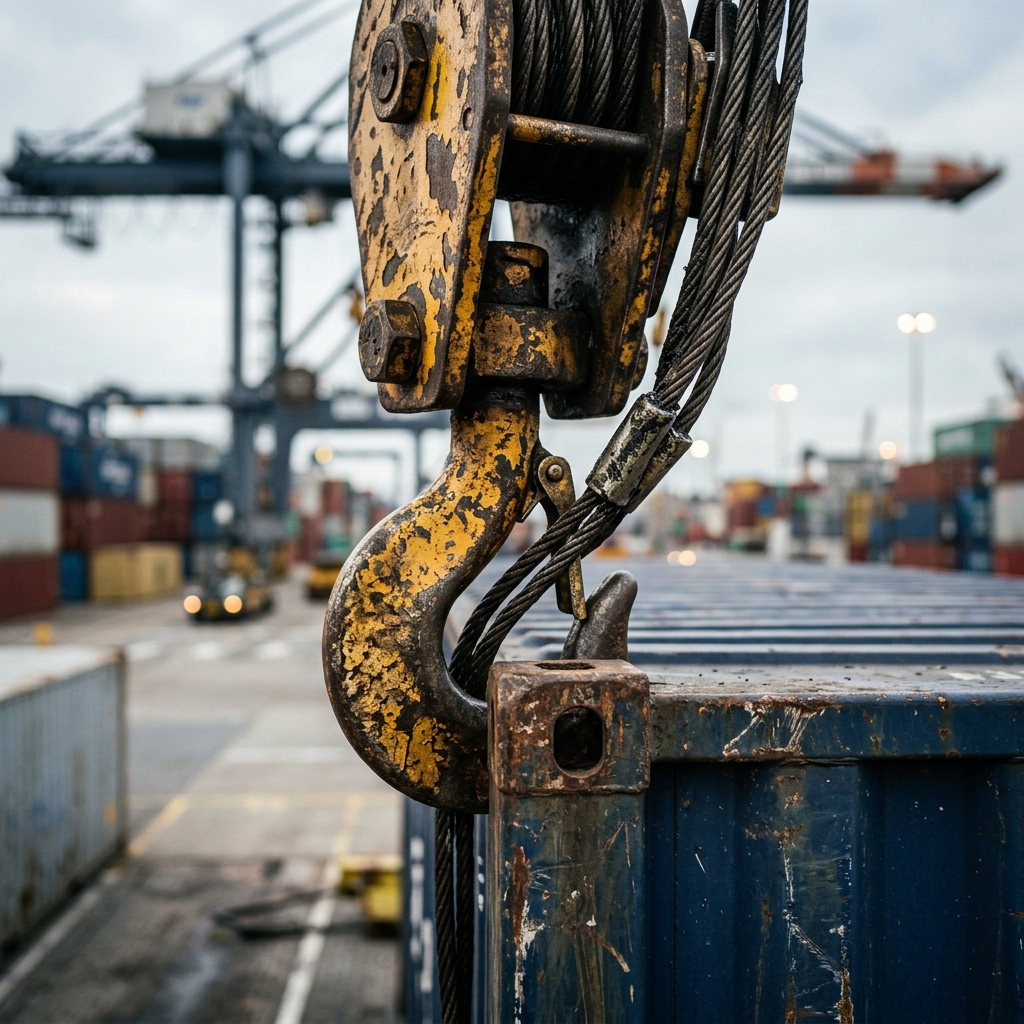
PORT GREEN-LANE 20™ is an operational-digital orchestration platform designed for container terminals in the United States. The project acts as a neutral data and decision layer over existing terminal systems, integrating information from shipping lines, terminal operating systems, gate and appointment systems, depots, rail operators, and port authorities through API, EDI, AIS, and structured backup mechanisms. Its purpose is to reduce dwell time, improve ETA/ETD reliability, optimize crane and yard productivity, decrease truck turnaround times, and expand Scope 3 emissions visibility without requiring disruptive replacement of existing systems.
The project is structured as a scalable multi-terminal service, beginning with a 90-day pilot and expanding across multiple ports and corridors. It directly supports U.S. supply chain resilience, port efficiency, sustainability, and workforce development, while creating measurable economic, operational, labor, and environmental benefits of national relevance
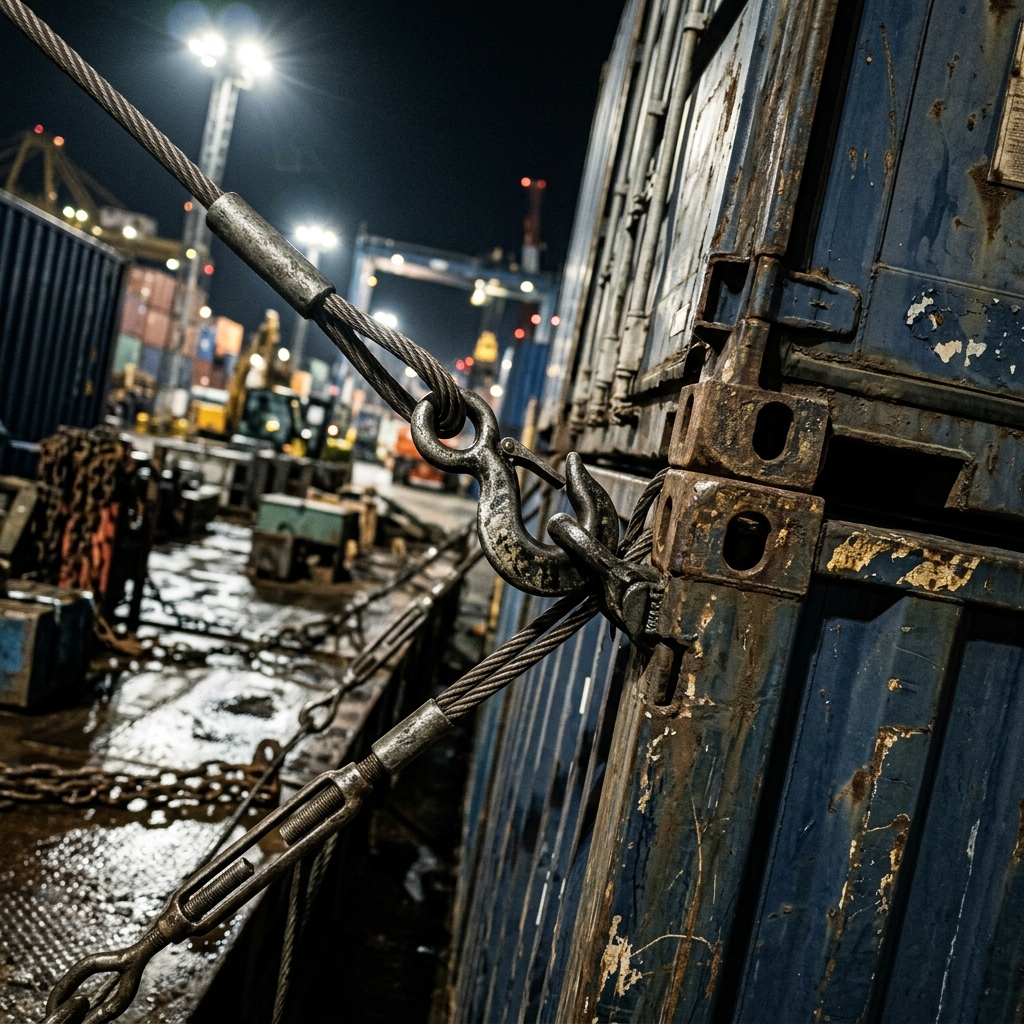
Evaluación integral del desempeño de terminales portuarias y cuellos de botella en la cadena logística.
✔ Análisis de dwell time, turnaround y productividad
✔ Identificación de ineficiencias operativas
✔ Evaluación de flujo buque–patio–gate
✔ Reporte con roadmap de optimización
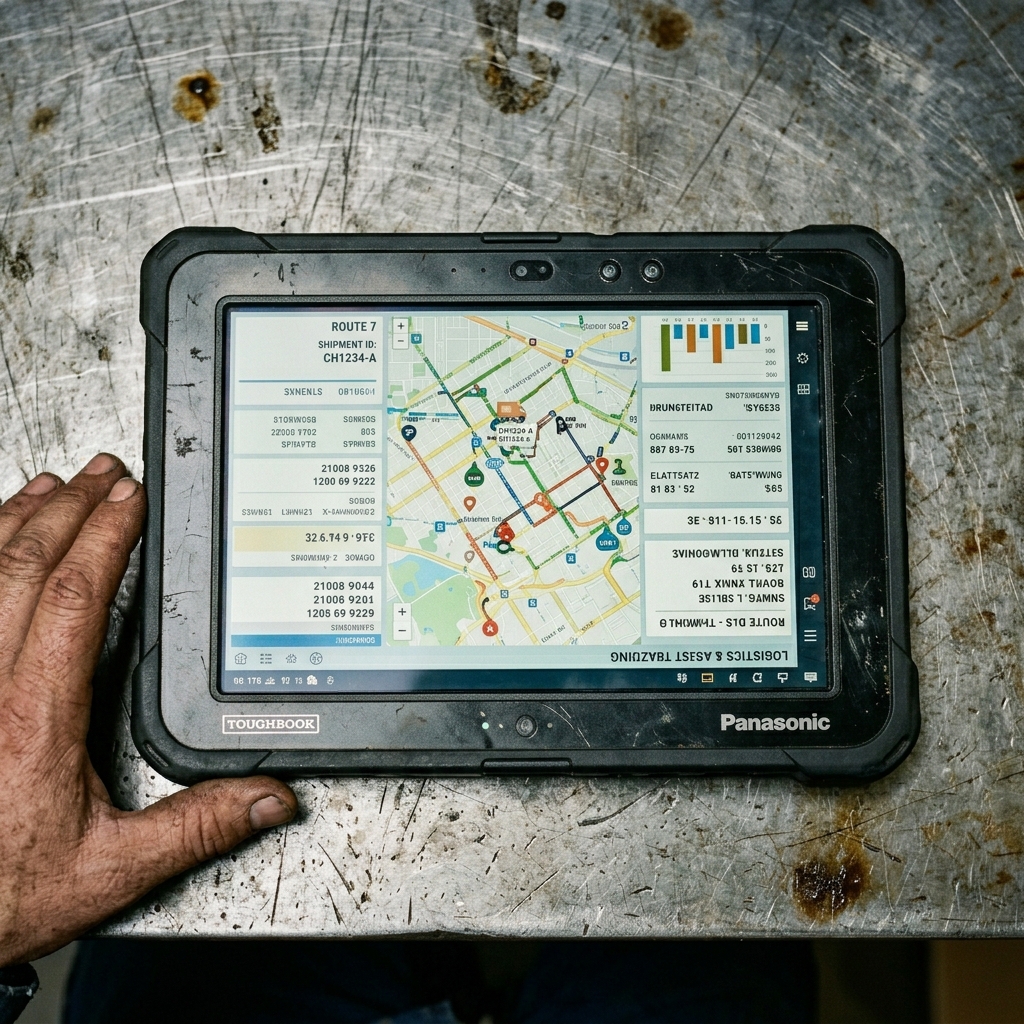
Integración de sistemas existentes para mejorar toma de decisiones en tiempo real sin reemplazar infraestructura.
✔ Integración API / EDI / AIS
✔ Conexión con TOS, PCS y sistemas logísticos
✔ Dashboard unificado de operaciones
✔ Capa neutral de dato
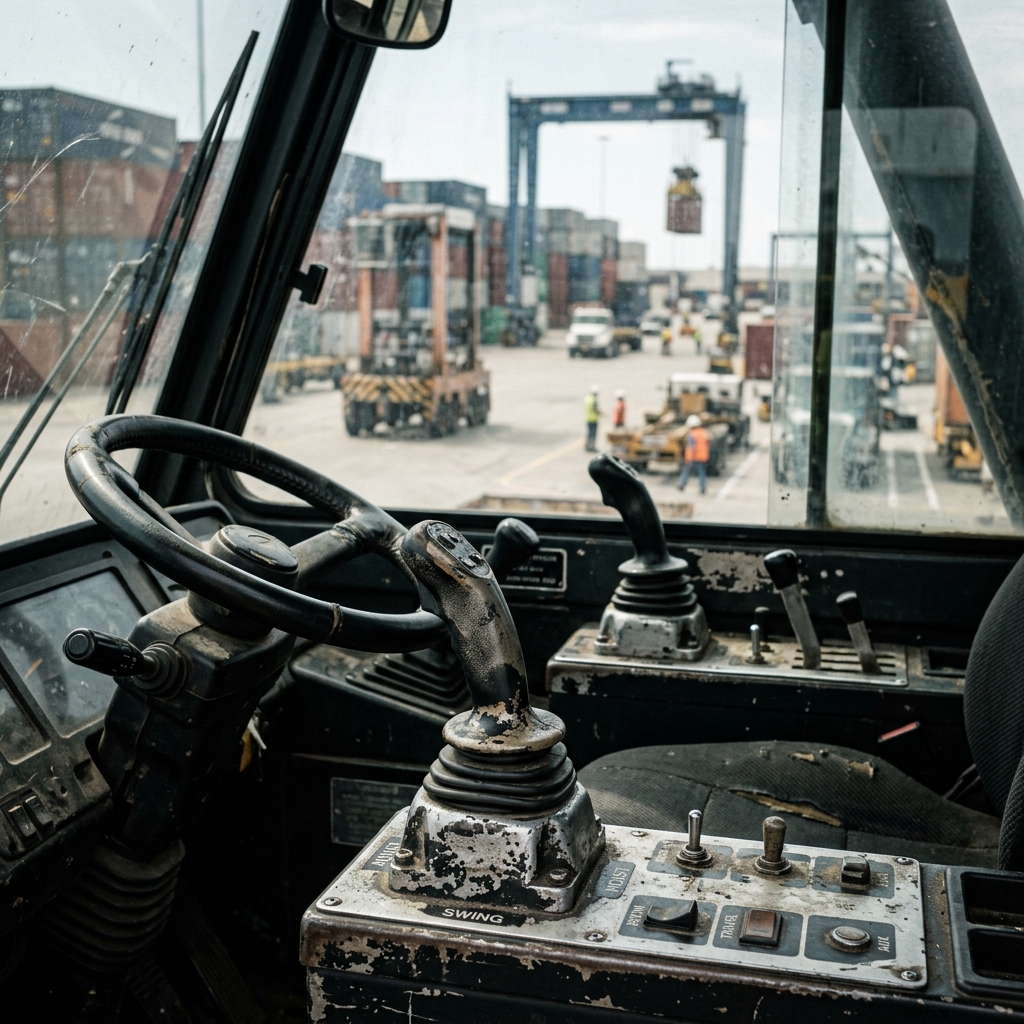
Mejora de procesos para reducir congestión, tiempos muertos y variabilidad operativa.
✔ Reducción de dwell time
✔ Optimización de yard y grúas
✔ Mejora de ETA/ETD
✔ Flujo de camiones y gates
amplementación de sistemas de análisis de datos para control y mejora continua.
✔ KPIs operativos en tiempo real
✔ Predicción de congestión
✔ Alertas operativas
✔ Reporting ejecutiv
Monitoreo y optimización del impacto ambiental de operaciones portuarias.
✔ Medición de emisiones logísticas
✔ Optimización de rutas y tiempos
✔ Reportes ESG
✔ Cumplimiento ambienta
We Answer Your Questions
What is PORT GREEN-LANE 20™ designed to improve
PORT GREEN-LANE 20™ is designed to improve key port performance indicators such as container dwell time, ETA/ETD reliability, crane productivity, truck turnaround, re-handles, and visibility of Scope 3 emissions. It helps terminals increase effective capacity and operational resilience without requiring major physical infrastructure expansion.
Does the system replace the terminal’s existing software?
No. The platform is designed as a neutral orchestration layer that works on top of existing systems such as TOS, gate and appointment systems, Port Community Systems, and related data sources. This allows terminals to improve coordination and decision-making without replacing their core systems.
How long does implementation take?
The project is built around a phased implementation model, with an initial pilot designed to deliver measurable results within approximately 90 days per terminal. After validation, the model can be expanded and replicated across additional terminals and logistics corridors
What type of terminals can benefit from this solution?
he platform is designed for Class A, B, and C container terminals in the United States, with particular value for terminals facing recurring congestion, coordination gaps, variability in vessel and truck flows, and increasing pressure to improve environmental reporting and supply chain performance.
Why is this project important for the United States?
Because U.S. container ports are critical nodes in national supply chains. Improving their efficiency, resilience, and transparency helps reduce logistics costs, strengthen cargo flow reliability, support economic competitiveness, create skilled jobs, and contribute to cleaner and more sustainable port operations nationwide.